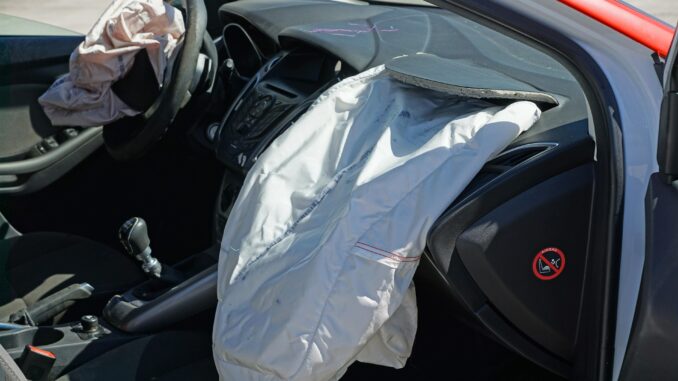
Car and motor insurance is a legal requirement in many countries and a financial necessity for all vehicle owners. Accidents, theft, natural disasters, and unexpected damage can result in high repair or liability costs. Motor insurance protects drivers from these financial risks while ensuring compliance with road safety laws.
With multiple policy types available—such as comprehensive, third-party, and specialized electric vehicle (EV) insurance—choosing the right coverage can be confusing. Understanding how these policies differ, how claims work, and how to compare premiums helps vehicle owners make informed and cost-effective decisions.

Why Car & Motor Insurance Is Important
Motor insurance provides financial protection against damage to your vehicle, injury to others, and third-party property loss. Even a minor accident can lead to significant expenses, including repairs, medical bills, and legal liability.
Key benefits of car and motor insurance include:
- Legal compliance with traffic and insurance regulations
- Protection against accident-related repair costs
- Coverage for third-party injury or property damage
- Peace of mind while driving
Subtopic 1: Comprehensive vs Third-Party Motor Insurance
The most common comparison when choosing motor insurance is between comprehensive and third-party policies. While both offer protection, the scope of coverage differs significantly.
Third-Party Motor Insurance
Third-party insurance is the minimum legal requirement in many regions. It covers damage or injury caused to other people, vehicles, or property, but does not cover damage to your own car.
Key features of third-party insurance:
- Covers third-party injury, death, and property damage
- Lower premiums compared to comprehensive insurance
- No coverage for own vehicle damage or theft
- Suitable for older or low-value vehicles
While affordable, third-party insurance offers limited protection. Any damage to your own car must be paid out of pocket.
Comprehensive Motor Insurance
Comprehensive insurance provides wider coverage, including third-party liabilities and damage to your own vehicle. It also typically covers theft, fire, vandalism, and natural disasters.
Key features of comprehensive insurance:
- Covers own vehicle damage and third-party liabilities
- Protection against theft, fire, and natural disasters
- Optional add-ons such as roadside assistance
- Higher premium but broader protection
Comprehensive insurance is recommended for new, high-value, or frequently used vehicles, where repair or replacement costs would be significant.

Subtopic 2: EV Car Insurance – What Makes It Different
Electric vehicles are becoming increasingly popular, but they come with unique insurance considerations. EV car insurance is designed to address the specific risks and components associated with electric cars, such as batteries and charging equipment.
Unique aspects of EV car insurance:
- Coverage for expensive lithium-ion batteries
- Protection for charging cables and home charging units
- Specialized repair costs and authorized service centers
- Potential coverage for software-related issues
EV batteries are among the most expensive components of an electric car. Damage to the battery can significantly increase repair costs, making comprehensive EV insurance particularly important.
Some insurers also offer discounts for EVs due to their eco-friendly nature and advanced safety features. However, premiums may vary depending on battery value, vehicle model, and availability of repair infrastructure.

Subtopic 3: Motor Insurance Claim Guide
Understanding the claim process ensures faster settlement and reduces the risk of claim rejection. Whether the claim is for an accident, theft, or natural disaster, following the correct steps is essential.
Types of motor insurance claims:
- Cashless claims: repairs are done at network garages, and the insurer pays directly.
- Reimbursement claims: the policyholder pays first and later claims reimbursement.
Step-by-step claim process:
- Ensure safety and report the incident to local authorities if required
- Inform the insurance provider immediately
- Submit claim form and supporting documents
- Vehicle inspection or survey by the insurer
- Claim approval and repair settlement
To avoid claim rejection, policyholders should avoid unauthorized repairs, report incidents promptly, and ensure their policy is active and compliant with terms and conditions.
Subtopic 4: How to Compare Motor Insurance Premiums
Motor insurance premiums vary based on vehicle type, coverage level, location, and driver profile. Comparing premiums is not just about choosing the cheapest policy—it is about finding the best value.
Key factors affecting insurance premiums:
- Vehicle value, age, and model
- Type of coverage (third-party vs comprehensive)
- Driver age, driving history, and claim record
- Geographic location and usage
- Add-ons and optional coverage
Tips for effective premium comparison:
- Compare coverage benefits, not just price
- Check deductibles and claim limits
- Review add-ons and exclusions carefully
- Consider insurer reputation and claim settlement ratio
- Look for discounts such as no-claim bonuses
Online comparison tools make it easier to evaluate policies side by side, helping drivers choose coverage that matches their needs and budget.
Conclusion: Choosing the Right Motor Insurance with Confidence
Car and motor insurance is a critical part of responsible vehicle ownership. Understanding the difference between comprehensive and third-party insurance, recognizing the unique needs of EV car insurance, knowing how to file claims, and comparing premiums effectively all contribute to better protection and financial security.
The right motor insurance policy does more than fulfill legal requirements—it safeguards your finances, supports stress-free driving, and ensures you are prepared for the unexpected. With informed choices, drivers can balance cost, coverage, and peace of mind.
Leave a Reply